What Thread Count Actually Means — And Why “1800” Isn’t a Real Number
A 1000 thread count sheet set can feel worse than a 300. Here’s the counting trick that makes that possible, and the one number worth checking instead.
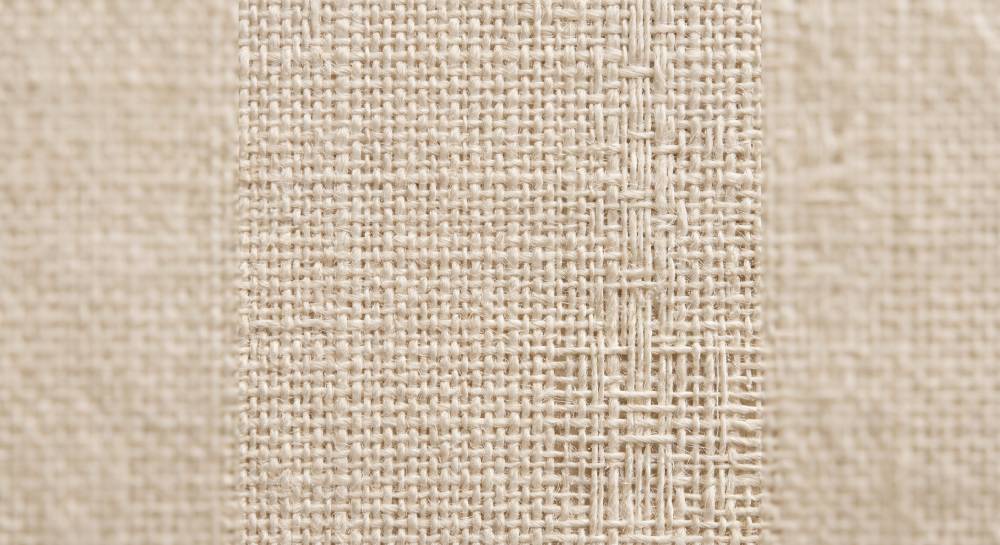
Stand in the bedding aisle for five minutes and you’ll notice something strange. One set says 400. Another says 1800. A third says “1000 thread count Egyptian-style luxury.” They’re all roughly the same price.
So either one of them is an incredible bargain, or the number doesn’t mean what you think it means.
It’s the second one. And once you understand how the counting works, you’ll never look at a bedding label the same way again.
What thread count is supposed to measure
The original definition is simple enough. Thread count is the number of threads woven into one square inch of fabric — horizontal threads plus vertical threads, added together.
More threads packed into the same space meant finer yarn, which meant a smoother, denser, better-feeling fabric. For a long time, that held up. A 300 really was nicer than a 180.
Then marketing departments noticed there was no referee.
The trick that broke the number
Here’s the part almost nobody explains on the packaging.
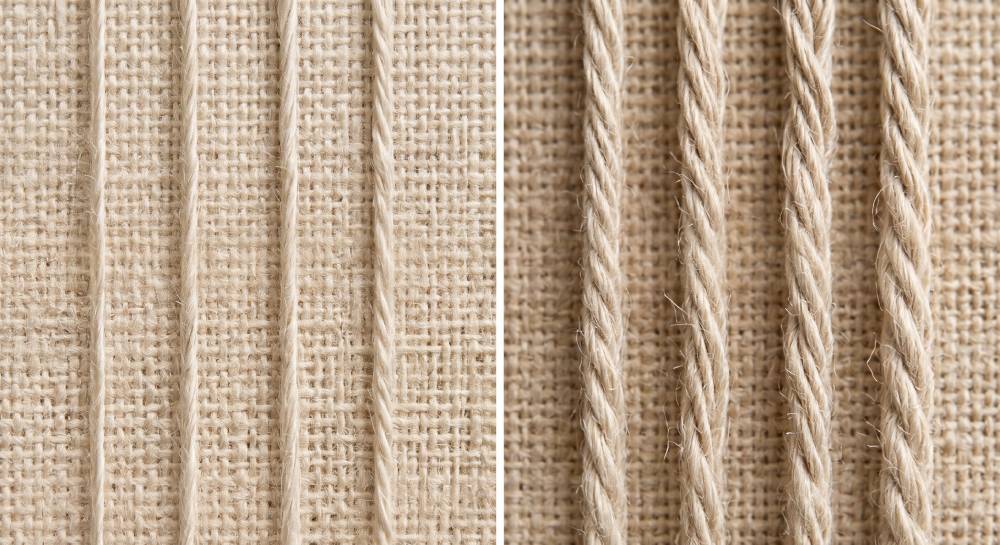
A single thread can be spun from multiple thinner strands twisted together. These are called plies. A two-ply yarn is two strands twisted into one thread. A four-ply is four.
Now — how do you count that thread?
Honestly, you count it as one. It’s one thread. But if you count each ply separately, a 250 thread count fabric made from four-ply yarn suddenly becomes “1000 thread count.” Same fabric. Same weave. Four times the number on the box.
The catch: to spin four strands into one thread without making it thick and stiff, each strand has to be thinner. Thinner strands are weaker. They pill faster, tear sooner, and wear thin quicker. That inflated number isn’t just meaningless — it often signals a worse sheet.
This is why a genuinely honest 300 thread count set, made from single-ply yarn, frequently outlasts and outperforms a “1000 thread count” one sitting next to it.
So what should you look for instead?
One word, and it’s usually buried in the description rather than printed on the front: single-ply.
If a listing says single-ply, the thread count is being counted the honest way. A single-ply 300 to 500 is the sweet spot for cotton — dense enough to feel substantial, not so dense that the fabric stops breathing.
If a listing quotes a huge number and says nothing about ply, that silence is doing a lot of work.
Some brands go further and say so outright. We came across one that explains its 300 count is deliberate, because higher counts require thinner, weaker fibres that pill sooner. A company willing to explain why its number is lower than a competitor’s is usually a company that understands its own product.
And what about “1800 Series”?
Now for the number that isn’t a number at all.
You’ll see “1800 Series” and “1500 Series” all over budget microfiber sheets. It looks like a thread count. It’s positioned like a thread count. It is not a thread count.
Microfiber isn’t measured in threads per inch, because it isn’t a woven yarn count in the traditional sense. The correct measurement for microfiber is GSM — grams per square metre, which tells you the actual weight and density of the fabric.
“1800 Series” is a naming convention. It’s a model name dressed up to look like a specification, the same way a mattress might be called the “Luxury 3000.” It tells you nothing you can compare against anything.
Which raises an obvious question: if the number is meaningless, is microfiber itself bad?
Not at all. But the reason to buy it has nothing to do with 1800.
The fibre matters more than the count
Thread count only lets you compare fabrics made from the same fibre in the same weave. Comparing a 400 cotton to an “1800” microfiber is comparing nothing to nothing.
What actually changes how a sheet feels and performs is the material itself.
- Cotton percale — crisp, matte, breathes well. Best for hot sleepers. Wrinkles readily.
- Cotton sateen — smoother and slightly lustrous, drapes better, but breathes less than percale.
- Microfiber — soft, cheap, genuinely wrinkle-resistant. It’s polyester, so it traps heat.
- Bamboo viscose — genuinely thermoregulating and moisture-wicking. Costs more, needs gentler washing.
- Linen — extremely breathable and durable, softens over years. Feels textured, not smooth.
Notice that thread count barely enters into any of those decisions. That’s the point.
The 30-second version
Next time you’re comparing sheets, skip the big number on the front and check three things instead:
- What fibre is it? This decides how it sleeps. Everything else is secondary.
- Does it say single-ply? If yes, trust the thread count. If it’s silent, don’t.
- What’s the pocket depth? The most common bedding complaint isn’t feel — it’s a fitted sheet that won’t stay on. Measure your mattress, including any topper.
Do that and you’ll make better bedding decisions than the thread count number was ever going to give you.
We apply this same standard to everything we cover — checking what a listing actually verifies rather than what it claims. You can see how specific sets stack up in our bed linens picks.